Warehouse Organisation Tips
With warehouse management comes the important task of warehouse organisation. Running a warehouse comes with some tough tasks and decisions. [...]

It’s one of the first questions businesses ask when exploring outsourced fulfilment, but it’s also one of the most difficult to answer with a single figure.
The reality is that 3PL pricing varies significantly depending on your products, order volumes, storage requirements, shipping destinations, and service expectations. A growing ecommerce brand shipping 500 orders per month will have very different fulfilment costs to a national retailer processing tens of thousands of orders every month.
While every operation is unique, understanding how 3PL pricing works can help you budget accurately, compare providers effectively, and avoid unexpected charges.
In this guide, we’ll break down the typical costs associated with third-party logistics services in the UK, explain the factors that influence pricing, and show you how to evaluate fulfilment quotes with confidence.
Most UK fulfilment providers structure their pricing around several core services.
Your inventory needs to be stored safely and efficiently before orders can be fulfilled.
Storage costs typically depend on:
Businesses with slower-moving stock often incur higher storage costs than those with fast-moving inventory.
Before products can be stored, they must be received, checked, and booked into inventory systems.
Inbound handling may include:
Some providers include basic goods-in services, while others charge separately.
This is typically the core component of your monthly 3PL costs.
Order fulfilment includes:
Many providers charge a pick fee for the first item and a lower fee for additional items within the same order.
Shipping costs are usually separate from fulfilment fees.
Pricing depends on:
Many 3PL providers can negotiate significantly better carrier rates than businesses can secure independently.
Returns processing has become increasingly important, particularly for ecommerce businesses.
Returns services may include:
The complexity of your returns process can significantly affect costs.
Many businesses require additional services beyond standard fulfilment.
Examples include:
These services are typically priced separately.
Although every provider uses slightly different pricing models, the following ranges provide a useful benchmark for UK businesses.
| Service | Typical UK Cost |
| Goods receiving (Unloading the pallet from vehicle) | £1.50 – £3.00 per pallet |
| Pick fee (first item) | £1.50 – £3.00 |
| Additional item | £0.25 – £1.00 |
| Returns processing (Depends on level of inspection and return activity) | £1.50 – £5 per return |
| Inventory counts | Variable |
| Account management | Included or monthly fee |
| Packaging materials | Variable |
| Contract packing | Quote dependent |
It’s important to remember that the cheapest quote is rarely the most cost-effective option. Service quality, accuracy, technology, and scalability all impact the true value of a fulfilment partnership.
Volume is often the most significant factor affecting fulfilment pricing.
Businesses shipping:
will typically receive very different pricing structures.
Higher volumes generally create economies of scale that reduce per-order costs.
Large or heavy products require:
A furniture retailer will face very different fulfilment costs compared to a business selling supplements or pet treats.
Managing 20 SKUs is far simpler than managing 5,000 SKUs.
Higher SKU counts increase:
UK-only fulfilment is generally more straightforward and cost-effective than international distribution.
Costs can vary based on:
Many industries experience significant fluctuations throughout the year.
Examples include:
Peak periods often require additional labour and warehouse capacity.
Businesses with high returns rates can face substantially higher fulfilment costs.
Common high-return sectors include:
Returns processing often requires dedicated labour and warehouse space.
Every additional service increases operational complexity.
Examples include:
One of the biggest mistakes businesses make is comparing fulfilment providers based solely on storage and pick fees.
Here are some commonly overlooked costs.
Minimum Monthly Charges
Some providers require minimum monthly spends regardless of order volume.
Packaging Costs
Boxes, void fill, tape, labels, and specialist packaging materials may be charged separately.
Integration Fees
Connecting your ecommerce platform, ERP, or marketplace accounts can sometimes incur setup charges.
Inventory Audits
Cycle counts and stock audits may be billed separately.
Peak Season Surcharges
Additional costs may apply during busy periods.
Returns Handling
Returns processing fees can quickly add up if not properly understood.
Urgent Order Fees
Same-day dispatch requirements may attract premium charges.
Understanding the full pricing structure is essential before signing a fulfilment agreement.
Example 1: Small Ecommerce Brand
Business Profile:
Estimated Monthly Costs:
| Service | Cost |
| Storage | £100 – £250 |
| Fulfilment | £500 – £1,500 |
| Shipping | £1,500 – £3,000 |
| Total | £2,100 – £4,750 |
Example 2: Growing Direct-to-Consumer Brand
Business Profile:
Estimated Monthly Costs:
| Service | Cost |
| Storage | £500 – £2,000 |
| Fulfilment | £4,000 – £10,000 |
| Shipping | £12,000 – £30,000 |
| Total | £16,500 – £42,000 |
Example 3: National Retail Brand
Business Profile:
Estimated Monthly Costs:
Pricing is typically customised and may range from tens of thousands to hundreds of thousands of pounds annually depending on operational complexity.
Pricing should never be the only consideration.
When evaluating providers, consider:
Order Accuracy
Ask about:
Service Levels
Understand:
Technology
Look for:
Scalability
Can the provider support growth without disrupting operations?
Industry Experience
Experience within your sector can significantly improve fulfilment performance.
Reducing fulfilment costs doesn’t always require switching providers.
Avoid excessive storage costs by holding appropriate stock levels.
Rationalising slow-moving products can lower storage and operational costs.
Smaller packaging often reduces shipping expenses.
Encouraging larger basket sizes can improve fulfilment efficiency.
Improving product information, packaging, and quality control can reduce costly returns.
For many growing businesses, the answer is yes.
| In-House Fulfilment | 3PL Fulfilment |
| Warehouse rent | Included |
| Warehouse staff | Included |
| Equipment costs | Included |
| Warehouse management software | Included |
| Carrier negotiations | Included |
| Operational management | Included |
| Scalability challenges | Reduced |
Beyond direct cost savings, outsourcing allows businesses to focus on sales, marketing, product development, and customer experience rather than logistics operations.
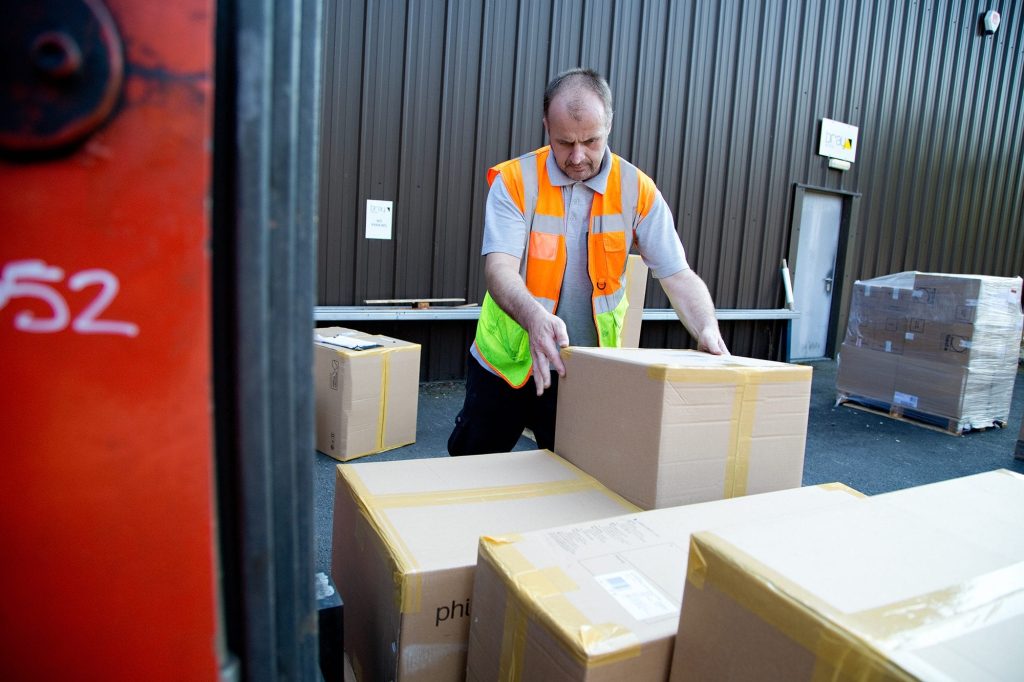
Choosing a fulfilment provider is about more than finding the lowest price.
Businesses need a logistics partner that can support growth while maintaining service quality and operational efficiency.
Bray Solutions provides scalable fulfilment solutions across a range of industries, including:



Costs vary significantly depending on storage requirements, order volume, product characteristics, and shipping destinations. Smaller businesses may spend a few thousand pounds per month, while larger operations can spend considerably more.
Most pricing includes storage, goods receiving, order fulfilment, and shipping management. Additional services such as returns processing and contract packing may be charged separately.
A pick and pack fee covers the labour involved in selecting products from storage, packing them securely, and preparing them for dispatch.
Potential additional costs include packaging materials, returns processing, integration fees, inventory counts, and peak season surcharges.
For many growing businesses, outsourcing fulfilment reduces operational complexity, improves scalability, and provides access to specialist logistics expertise.
The best approach is to provide information about:
– Monthly order volume
– Number of SKUs
– Product dimensions
– Storage requirements
– Shipping destinations
– Value-added service needs
The more detailed the information provided, the more accurate your quote will be.
Every business has unique fulfilment requirements.
If you’re evaluating outsourced logistics, speaking to an experienced fulfilment provider can help you understand your likely costs, identify opportunities for savings, and build a scalable fulfilment strategy for future growth.
Request a tailored 3PL pricing consultation today and receive a fulfilment solution designed around your business requirements.




We integrate with a number of different systems.
Get in touch to find out how we can help.