Reasons and Solutions as to Why Ecommerce Cart Abandonment Occurs
Cart abandonment is a re-occurring problem as time and technology go on. Did you know, the average ecommerce store loses [...]

Loss and damage claims cost UK companies more than £30 billion annually. Asset tracking prevents losses, improves efficiency, reduces costs, and supports compliance. Here is how.
Asset tracking is one of those operational disciplines that growing businesses often defer until the cost of not having it becomes undeniable. Equipment goes missing. Maintenance is missed because no one knows when an asset was last serviced. A stock count reveals discrepancies that no one can explain.
The cost of these problems is not trivial. Loss and damage claims cost UK companies more than £30 billion per year. Asset tracking is the practical solution, and it is considerably more accessible and affordable than the scale of the problem might suggest. Using barcode labels or asset tags to track fixed and movable physical assets, each asset is assigned a unique identification number that makes its location, status, and maintenance history traceable without relying on manual records or individual memory.
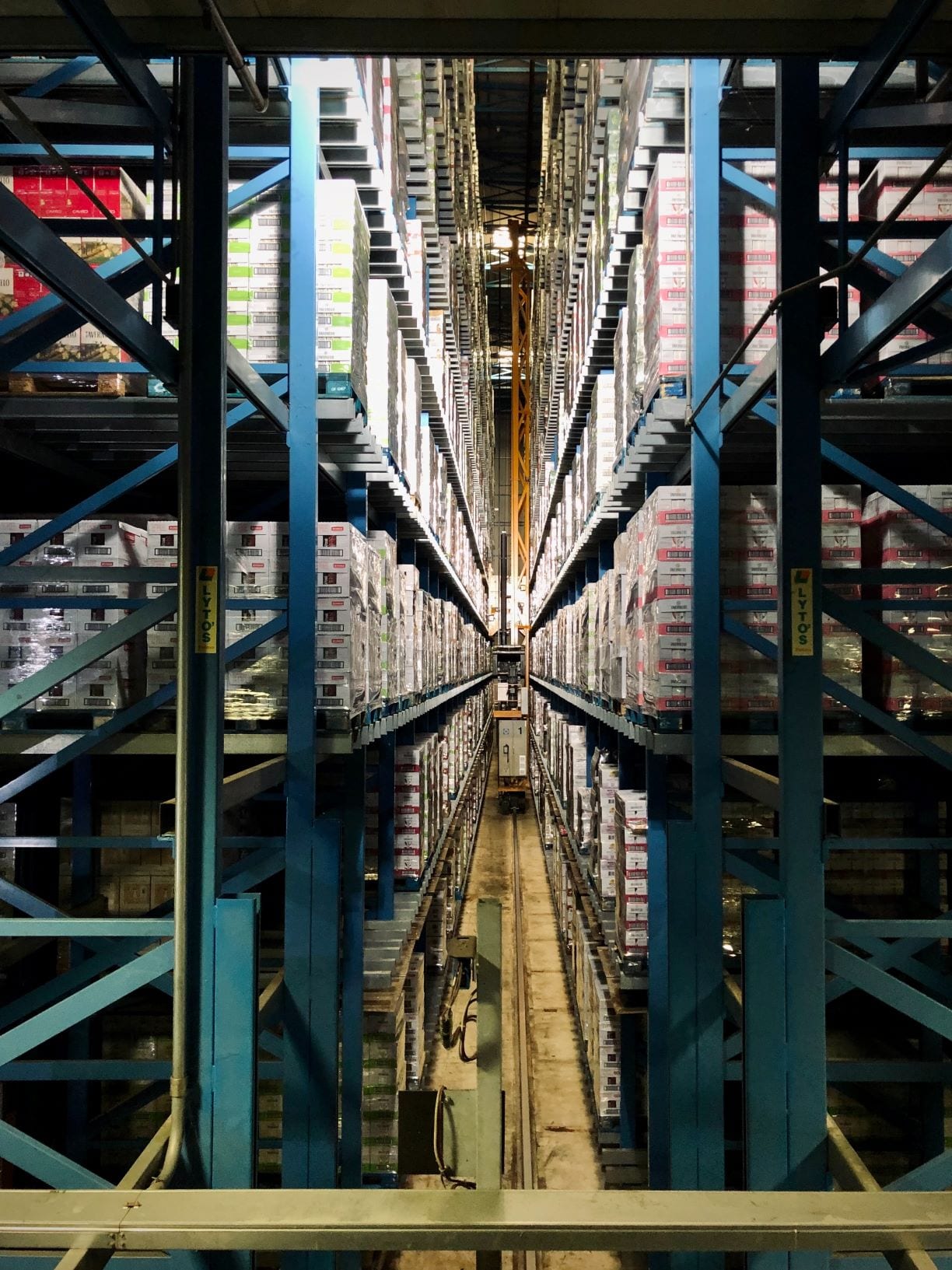
For businesses evaluating warehousing and storage arrangements or 3PL services, the asset management infrastructure of a potential partner is a legitimate and important consideration. The assets a 3PL relies on to run your fulfilment operation need to be as well-managed as the stock they handle.
Asset loss in a warehouse environment rarely takes the form of a dramatic, visible incident. More commonly, it accumulates quietly through dozens of small losses and inefficiencies: a handheld scanner that was not returned to its docking bay and cannot be found, a piece of equipment that has missed its maintenance window because the last service date was recorded in a spreadsheet that nobody updates, a batch of stock put away in a location that was not recorded in the WMS and cannot be found during a stock count.
Each of these is a small loss. Across a warehouse processing hundreds of thousands of transactions a year, the cumulative total is not small. Asset tracking prevents them systematically rather than addressing each one individually after it has already cost money.
Not every item in a warehouse needs to carry an asset tag. The decision about which assets to track should be driven by a straightforward prioritisation of where the benefit of tracking is highest relative to the cost of implementing it.
High-value assets are the most obvious starting point. If a piece of equipment is worth enough that its loss or damage would represent a significant financial impact, the cost of the tag and the tracking system is trivially justified. Moveable assets are the next priority: the assets that travel around the warehouse in the course of normal operations are those most likely to end up in the wrong location, be borrowed and not returned, or simply be lost.
Assets that require regular maintenance are the third category where tracking delivers clear value. Knowing when an asset was last serviced and when the next service is due prevents the maintenance failures and unplanned downtime that are the most expensive operational consequences of poor asset management.
The practical application of asset tracking at Bray Solutions extends beyond physical asset tags to encompass network-level device management, Wi-Fi triangulation for real-time location, and device-level access controls that provide a comprehensive view of every operational asset.
All systems assets are tracked on our network. Many are tracked geographically using Wi-Fi triangulation, which allows any device on the network to be located anywhere on site in real time. Security systems handle restrictions on device functionality based on location and user identity, rogue devices appearing on the network are automatically detected, and network segments can be isolated automatically if a threat is identified.
For businesses operating in regulated sectors, or holding accreditations that require documented operational controls, asset tracking is not just an operational improvement tool. It is an audit requirement. Businesses with BRCGS accreditation are subject to requirements around the documentation of operational processes and the maintenance of physical assets used in the handling of food and non-food products. An asset tracking system that records the maintenance history of every piece of equipment provides exactly the documentation that compliance audits look for.
For clients of Bray Solutions, our BRCGS accreditation and the operational controls that support it, including asset tracking and maintenance documentation, provide assurance that the assets handling their products are maintained to the standard the accreditation requires.
Asset tracking is one of those operational investments that delivers returns across multiple dimensions simultaneously: preventing financial losses from asset disappearance, reducing unplanned downtime through proactive maintenance management, improving the efficiency of the operation through better asset availability, and providing the documentation trail that compliance and audit requirements demand. The businesses that implement it properly, and the 3PL partners that operate it as a standard component of their infrastructure, deliver better outcomes on all of these dimensions than those that have not made the investment.
Get a free quote from Bray Solutions
Q: What is asset tracking in a warehouse context and which assets should be tracked?
A: Asset tracking uses barcode labels or asset tags to give each physical asset a unique identification number, making its location, status, and maintenance history traceable without manual records. In a warehouse context, the highest-return candidates are high-value assets, moveable assets most likely to be misplaced, and assets requiring regular maintenance where tracking the service schedule prevents unplanned downtime.
Q: How does asset tracking reduce the cost of loss and damage claims?
A: By preventing the individual losses that accumulate into that figure: equipment that goes missing and is replaced rather than located, assets that miss maintenance windows and fail unexpectedly, and stock that is put away incorrectly and written off as a discrepancy. Asset tracking makes each of these scenarios preventable by ensuring every tracked asset has a known, current location in the system.
Q: How does Bray Solutions track operational assets across its warehouse?
A: Bray Solutions uses network-level device tracking, Wi-Fi triangulation for real-time geographic location, device-level access controls, and distributed docking bay placement for handheld terminals. Every systems asset is tracked on the network, rogue devices are automatically detected, and any device’s location can be identified in seconds.
Q: Why does asset tracking matter for businesses with BRCGS or other compliance accreditations?
A: Because accreditations like BRCGS require documented evidence of operational controls including the maintenance history of physical assets. An asset tracking system that records when each asset was last serviced provides the searchable, auditable documentation that compliance audits require.
Q: How does asset tracking scale as a business grows?
A: The complexity of tracking a growing asset base through a properly implemented system does not increase at the same rate as the asset base, because the system records and updates automatically rather than relying on manual processes. Adding more assets to a functional tracking system is straightforward; scaling manual asset management as the asset count grows is where the process typically breaks down.



We integrate with a number of different systems.
Get in touch to find out how we can help.