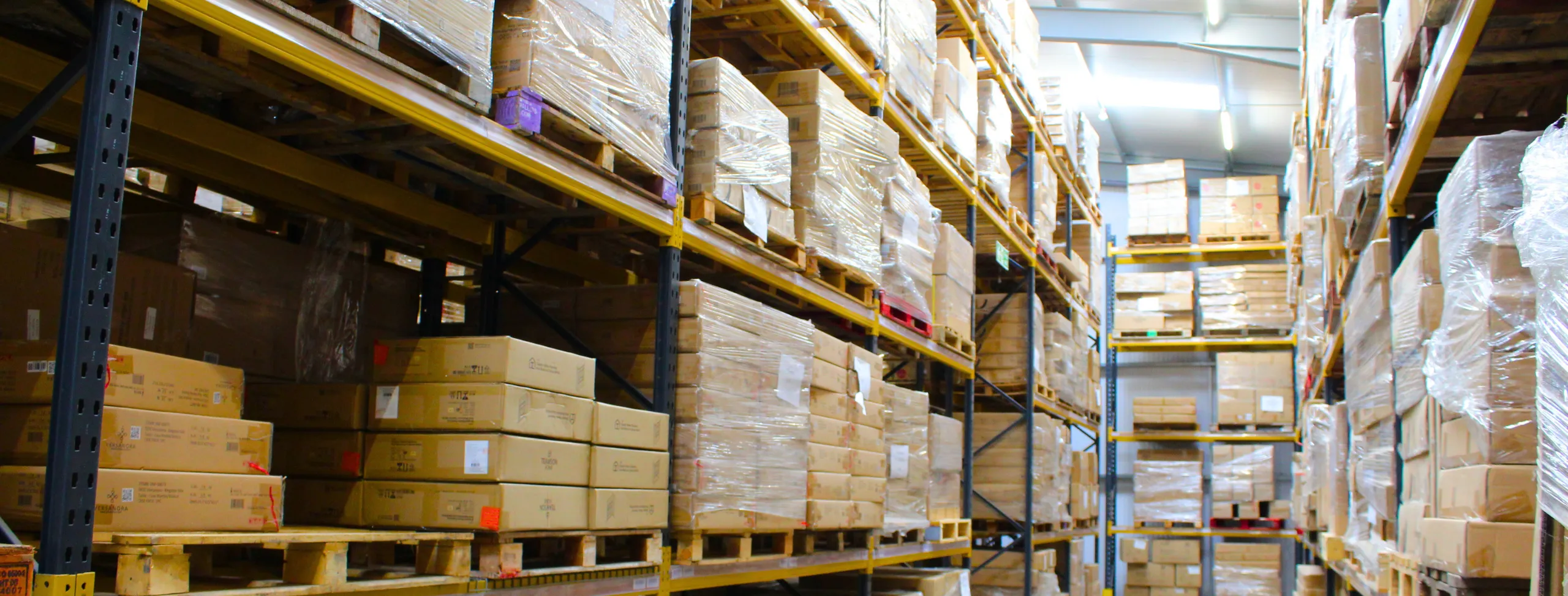
How to Choose the Right Contract Packer for Your Business
If you’re pondering the question, “How do I choose the right contract packer?”, it means that your business has grown…

67% of shoppers check the returns page before buying. 48% would spend more with retailers offering hassle-free returns. Here is how to turn your refund policy into a conversion driver.
Most ecommerce businesses treat their refund policy as a legal document: written once, stored in the footer, and hoped never to be needed. That approach is costing them sales every day, not from the customers who return products, but from the customers who never bought in the first place because the returns policy did not give them enough confidence to commit.
67% of shoppers check the returns page before making a purchase. 27% are put off completing an online order specifically because they are worried about the hassle of returning something. 92% say they would buy again from a retailer whose returns process was easy. And 48% say they would shop more frequently with retailers that offer hassle-free returns.
A well-designed refund policy is not a safeguard against loss. It is a trust mechanism, a conversion tool, and a retention driver. And the 3PL operation behind it is the infrastructure that determines whether the promises it makes can be kept.
Key Takeaways
The Customers You Are Losing Before They Ever Place an Order
More than two thirds of shoppers visit the returns policy page before deciding whether to buy. At that moment, what they read either removes their hesitation or confirms it. A returns policy that is hard to find, written in defensive legal language, and difficult to action is a conversion barrier that your competitors without those problems benefit from directly.
What a Returns Policy Actually Needs to Answer
A returns policy that functions as a conversion tool answers five questions clearly and immediately. Is this product returnable? How long do I have? Is return postage free? Do I get a full refund or store credit? How long does the refund take? These need to be answered without requiring the customer to hunt through paragraphs of small print.
Why Making Returns Difficult Is the Most Counterproductive Strategy Available
Customers who have a difficult returns experience do not feel less inclined to buy from you again just because the return process was onerous. They feel more inclined to shop elsewhere, and to tell others about the experience. The return itself is a recoverable situation. The friction around it is where the relationship is permanently damaged.
Bray Solutions’ returns and reverse logistics service processes returned items efficiently, reintegrates resaleable stock quickly, and gives clients real-time visibility of the returns pipeline, making it operationally viable for businesses to offer the kind of returns experience that builds repeat purchase rates.
Putting the Returns Policy Where Customers Look For It
The most common placement for a returns policy is the website footer. But limiting it to the footer means relying on customers to actively seek it out. A prominent link to the returns policy on product pages removes a barrier that a footer link does not address. At checkout, a brief restatement of the returns promise reinforces confidence at the moment of commitment. In order confirmation and despatch emails, a reminder of the returns process closes the loop on the purchase experience.
The Package Is Your Last Physical Touchpoint: Use It
Every package that leaves your ecommerce fulfilment operation is a physical touchpoint with the customer. Including a returns slip and clear returns instructions inside every package removes friction at precisely the point when friction is most likely to turn a manageable situation into a permanent loss of customer confidence.
A refund policy that is clear, accessible, generous, and backed by a fulfilment operation that can actually execute on it is one of the most commercially effective pages on your website. If your current returns policy is sitting quietly in the footer doing the minimum required of it, it is time to treat it as the conversion tool it could be. Bray Solutions’ returns and reverse logistics service provides the operational foundation for the kind of returns experience that turns first-time buyers into repeat customers.
Get a free quote from Bray Solutions
Frequently Asked Questions
Q: How does a clear returns policy increase conversion rates?
A: 67% of shoppers check the returns page before deciding to buy, and 27% abandon a purchase specifically because they are worried about the hassle of returning something. A clear, easy-to-find returns policy removes that hesitation at the moment it is most commercially significant.
Q: Does offering free returns actually increase profitability?
A: For most ecommerce businesses, yes. Free returns increase conversion rates, increase average order values on higher-priced items, and significantly increase repeat purchase rates. The 48% of shoppers who say they would spend more with retailers offering hassle-free returns represent a measurable revenue uplift that typically outweighs the per-return postage cost.
Q: Where should a returns policy be displayed on an ecommerce website?
A: In the website footer as a baseline. Additionally on product pages for higher-value items, at checkout as a brief reassurance statement, and in order confirmation and despatch emails. The returns policy should be surfaced at every point in the customer journey where purchase hesitation is most likely.
Q: What should be included inside every package to support the returns process?
A: A returns slip with clear instructions for how to initiate a return, the returns window and the date from which it runs, the return address or process for arranging collection, and any conditions on the return. This removes friction at the moment when friction is most likely to damage the customer relationship.
Q: How does a 3PL partner support a strong returns experience?
A: A specialist 3PL manages the physical returns process: receiving returned items, inspecting them against agreed quality criteria, reintegrating resaleable stock into available inventory, and providing real-time visibility of return status to the client. Bray Solutions manages returns as a core part of our 3PL service.





We integrate with a number of different systems.
Get in touch to find out how we can help.