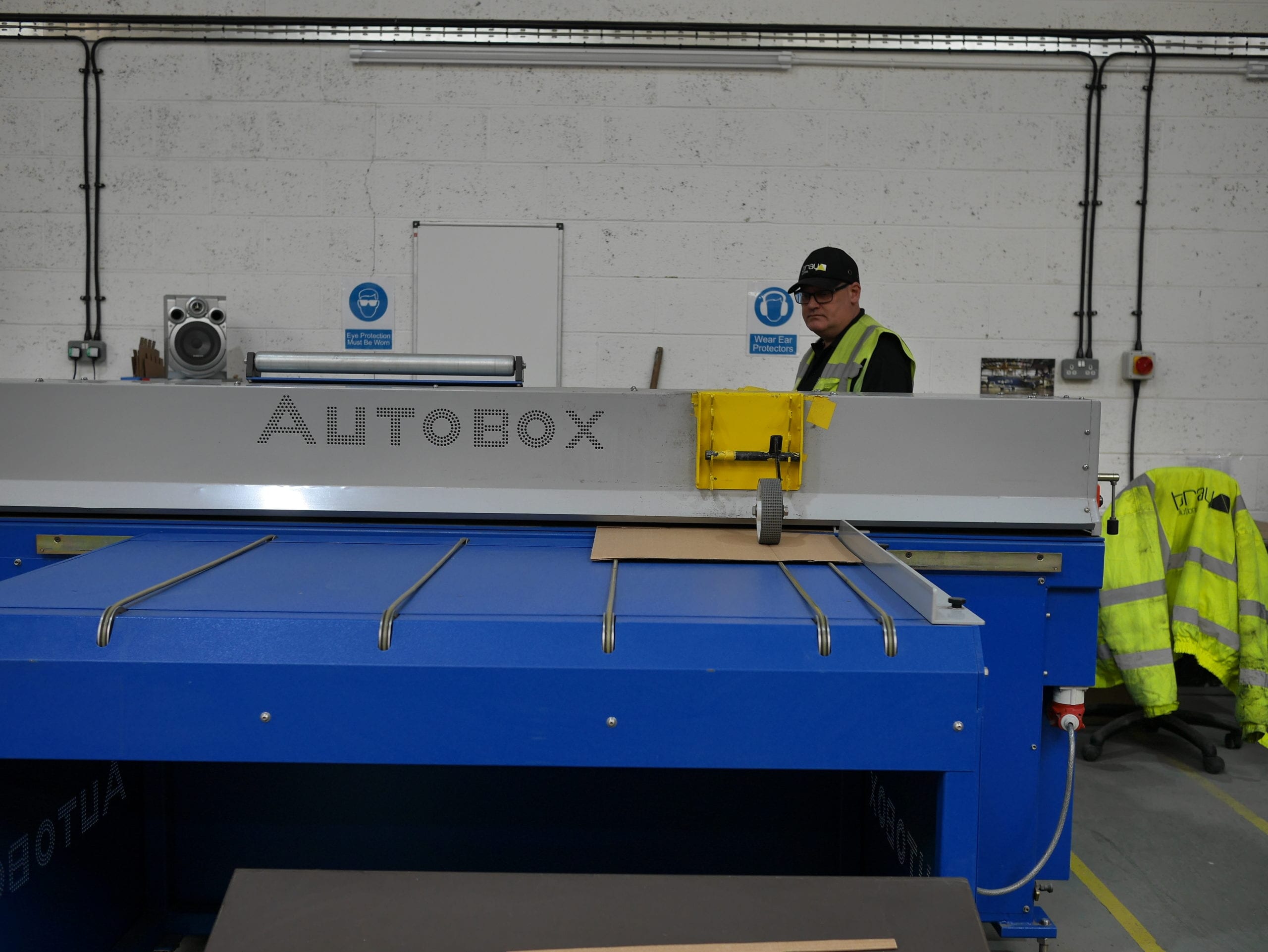
CASE STUDY – Flexible Solution To Contract Packing
A few companies came to us in the last year for a flexible contract packing option. This particular client needed [...]

Contract packing, also known as co-packing, is when a specialist provider handles the packaging, assembly, labelling, bundling, or preparation of your products on your behalf. It helps businesses reduce operational pressure, improve consistency, and scale more efficiently without investing in extra labour, equipment, or warehouse space.
For many growing brands, contract packing is a practical way to increase capacity, maintain quality, and respond faster to seasonal demand, promotions, or new product launches.
Contract packing is the process of outsourcing packaging work to a third-party specialist. Instead of handling all product preparation in-house, a business partners with a provider that has the people, processes, and warehouse capacity to carry out the work efficiently and at scale.
This can include a wide range of packaging tasks, such as:
The main goal is to make packaging more efficient, more scalable, and less resource-intensive for the client.
In most cases, yes. The terms contract packing and co-packing are often used interchangeably.
Both refer to outsourcing packaging and assembly work to a third-party specialist. In practice, some industries use one term more than the other. For example, “co-packing” is often heard more often in FMCG, food, beverage, and retail environments, while “contract packing” may be used more broadly across warehousing, logistics, eCommerce, and promotional packing.
For search and decision-making purposes, they usually mean the same thing.
Contract packing usually follows a structured workflow designed to maintain speed, consistency, and accuracy.
Products, packaging materials, and components arrive at the warehouse and are booked into stock. Quantities and condition are checked before work begins.
The provider prepares the products, inserts, labels, cartons, and any other components needed for the packing run. This stage helps reduce delays and errors during assembly.
Items are packed according to the agreed specification. This could involve kitting several SKUs together, adding inserts, applying labels, sealing packs, or preparing goods for retail display.
Quality control is a critical stage. Products are checked for presentation, labelling accuracy, pack completeness, and compliance with client requirements.
Once packed, the finished goods may be sent to retailers, wholesalers, distributors, or stored for direct-to-consumer fulfilment.
This type of structured workflow is one reason many businesses outsource warehousing and packing. Digital warehouse tools such as barcode tracking and warehouse management systems help improve inventory visibility, reduce errors, and support more efficient operations. IBM notes that accurate data and barcoding are central to effective warehouse management and can reduce discrepancies while improving stock control.
Contract packing is not one fixed service. It can be tailored to different products, sectors, and campaign goals.
Common services include:
Combining multiple items into a single pack or bundle. This is often used for promotional offers, gift packs, or product sets.
Applying new labels for retail compliance, promotions, export requirements, or seasonal campaigns.
Preparing goods for transport, display, or shelf presentation.
Assembling multiple products into curated monthly or seasonal boxes.
Preparing premium or branded packs for retail, hospitality, or seasonal campaigns.
Correcting packaging errors, replacing damaged components, or adapting stock for a new market or retailer.
Creating shelf-ready or campaign-specific packaging for store launches, trade marketing, or limited-time offers.
The more flexible the provider, the easier it is to support both simple and complex packaging requirements as your business grows.
Businesses usually turn to contract packing when in-house processes start putting pressure on time, cost, labour, or space.
Here are some of the most common reasons.
Packing in-house often requires additional staff, equipment, floor space, supervision, and process management. Outsourcing allows businesses to convert many of these fixed costs into more flexible operating costs.
Deloitte’s recent outsourcing research found that 25% of executives reported reductions in vendor service costs or improvements in service quality from outsourcing-related initiatives.
Specialist providers already have trained teams, warehouse workflows, and packing infrastructure in place. That can make packaging faster and more consistent than trying to build and manage the same capability internally.
Oracle notes that modern warehouse systems can improve visibility, accuracy, cost savings, and fulfilment speed, which is one reason outsourced logistics environments can offer meaningful operational benefits.
When order volumes increase, in-house packing can become a bottleneck. Contract packing makes it easier to add capacity without taking on the full cost and complexity of expansion.
Peak trading periods, product launches, gift campaigns, and retail promotions often require short-term increases in labour and throughput. A contract packing partner can help absorb that spike without forcing your internal team to stretch beyond capacity.
Packaging is part of the customer experience. Consistent presentation, correct labelling, and reliable pack quality all influence how your brand is perceived.
PwC reports that speed and convenience are among the most important drivers of positive customer experience, and poor experiences can directly affect brand loyalty and retention.
One of the biggest reasons brands outsource is cost control. The savings do not always come from one line item. More often, they come from avoiding the build-up of internal complexity.
For many businesses, outsourcing becomes more cost-effective when the cost of managing labour, space, and workflow in-house starts rising faster than revenue.
There is no universal price because contract packing depends on the type of product and the complexity of the task. However, the main pricing variables are usually straightforward.
The most useful way to think about cost is not just price per unit, but total operational cost. A cheaper in-house process may still cost more overall if it increases errors, slows dispatch, or takes internal resources away from revenue-generating work.
Contract packing tends to make the most sense when one or more of the following apply.
As volumes increase, internal operations often struggle to keep pace. Outsourcing helps you increase capacity without overcommitting to long-term overheads.
If your volumes rise sharply during holidays, promotions, or campaigns, contract packing helps you handle those peaks more smoothly.
New products often need bespoke packaging, inserts, or bundling. Specialist packing support can help you launch faster and with better quality control.
Warehouse labour remains a challenge across supply chains. MHI’s industry reporting continues to highlight labour and talent pressures as a recurring issue for logistics and supply chain operations.
If packaging quality varies too much in-house, a specialist provider can help standardise output and reduce avoidable errors.
For many brands, contract packing is less about one project and more about reducing complexity across the whole supply chain.
For many readers, this is the real decision.
In-house packing gives you direct control over people and process. It can work well for businesses with stable order volumes, spare warehouse capacity, and strong internal systems.
Contract packing offers a more flexible model. Instead of building internal capability for every peak, launch, or packaging change, you access external expertise and infrastructure as needed.
For growing businesses, contract packing often becomes the more practical option once volume, complexity, or labour pressure start increasing.
These services are related, but they are not the same.
Focused on preparing products for sale or distribution. This includes assembly, labelling, bundling, and retail-ready presentation.
Focused on storing stock, receiving orders, picking products, packing for dispatch, shipping orders, and managing returns.
Many businesses need both. In fact, combining contract packing with fulfilment often creates the most efficient setup because products can be packed, stored, and dispatched within one integrated operation.
Balanced content tends to perform well in search because it shows decision support rather than one-sided promotion.
The goal is not to outsource for the sake of it. The goal is to create a more efficient and scalable operation.
Imagine a growing eCommerce brand preparing a seasonal gift campaign. The campaign includes a bundle of core products, inserts, branded packaging, and a limited-time promotional sleeve.
Handling this in-house would mean:
By outsourcing the project to a contract packing partner, the brand can keep day-to-day operations moving while the seasonal packs are assembled and quality checked separately. This reduces operational disruption and helps the campaign launch on time.
That is often where contract packing delivers the greatest value. It creates extra capacity without creating extra complexity.
Even good projects can underperform if the basics are not planned properly.
A lower unit rate means very little if accuracy, speed, or communication are poor.
Every element should be agreed in advance, including pack format, sequencing, inserts, labels, outer cartons, and quality requirements.
Custom packaging, component availability, and project scheduling all affect timelines.
Projects need clear checking procedures, especially for retail, regulated, or customer-facing packaging.
Promotions and seasonal spikes should be scoped early so capacity can be reserved.
Not every provider will be the right fit. The best choice is usually the one that matches your product complexity, service expectations, and growth plans.
Look for:
Do they understand your product type, industry requirements, and service expectations?
Can they support both your current volume and future growth?
Ask how they manage pack accuracy, checking, traceability, and exception handling.
A provider with strong warehouse systems can improve stock visibility and process control.
Can they handle promotional work, seasonal spikes, rework, or bespoke packing projects?
You want a partner that is responsive, detail-oriented, and easy to work with.
If they can also support warehousing, fulfilment, or distribution, your broader operation may become more efficient.
Contract packing is a strong fit for a wide range of businesses, including:
In short, any business that needs product packaging to be accurate, scalable, and operationally efficient can benefit from it.
Contract packing is worth considering if you are dealing with any of the following:
If that sounds familiar, contract packing may not just solve a packaging problem. It may improve the performance of your wider operation.
Contract packing is when a third-party specialist handles product packaging, assembly, labelling, bundling, or preparation on behalf of a business.
A co-packer manages packaging tasks such as kitting, shrink wrapping, labelling, repacking, and preparing goods for retail or direct delivery.
It often is, especially for businesses facing growth, seasonal peaks, or rising internal labour and warehouse costs. The main benefit is replacing fixed operational costs with a more flexible model.
Contract packing is widely used in eCommerce, food and drink, beauty, wellness, pet care, retail, FMCG, and promotional campaigns.
Yes. It can be particularly useful for small and growing businesses that need flexibility without investing in more infrastructure.
Co-packing focuses on preparing products for sale or distribution. Fulfilment includes storage, order processing, dispatch, and returns.
Usually when internal capacity becomes stretched, quality becomes inconsistent, labour is difficult to manage, or growth creates packaging bottlenecks.
Yes. Many projects involve bespoke packaging, inserts, labelling, promotional sleeves, subscription boxes, or retailer-specific requirements.
Contract packing is not just a tactical fix for busy periods. For many businesses, it is a smarter way to manage packaging as operations grow more complex.
It can help reduce internal pressure, improve consistency, support seasonal demand, and create a more scalable operating model. The key is choosing a partner that can align with your products, standards, and growth plans.
For brands that want packaging to be more efficient, more flexible, and easier to scale, contract packing can be a strong long-term solution.
If packaging is becoming a bottleneck, Bray Solutions can help you create a more efficient and scalable setup.
Our contract packing services are designed to support growing businesses with flexible capacity, reliable processes, and the operational support needed to keep products moving.
Talk to Bray Solutions about your contract packing requirements.
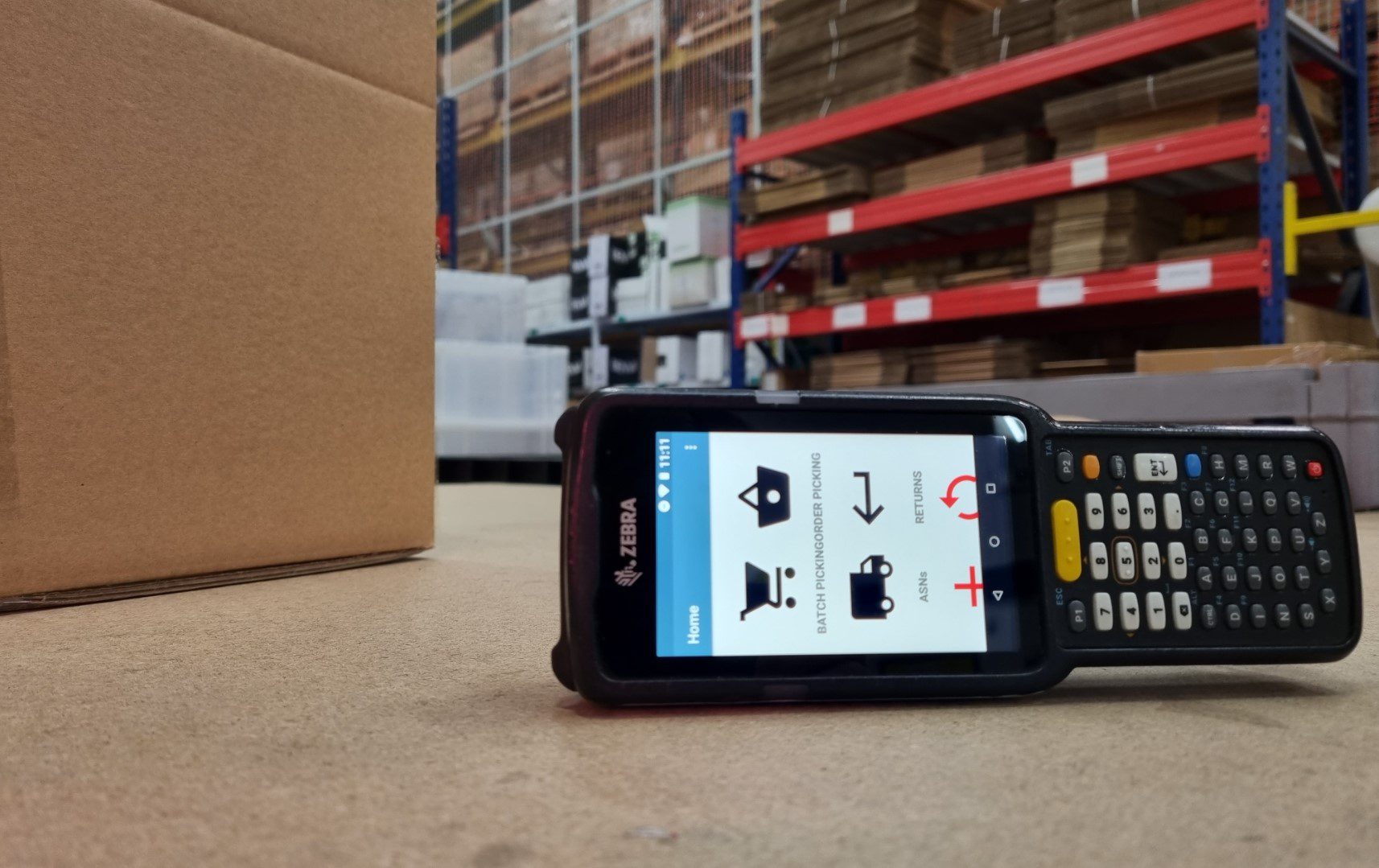



We integrate with a number of different systems.
Get in touch to find out how we can help.