The Importance of a Clear Refund Policy
In this newly e-commerce focused world, customers expect it all. Without a clear refund policy in place, your buyers are [...]

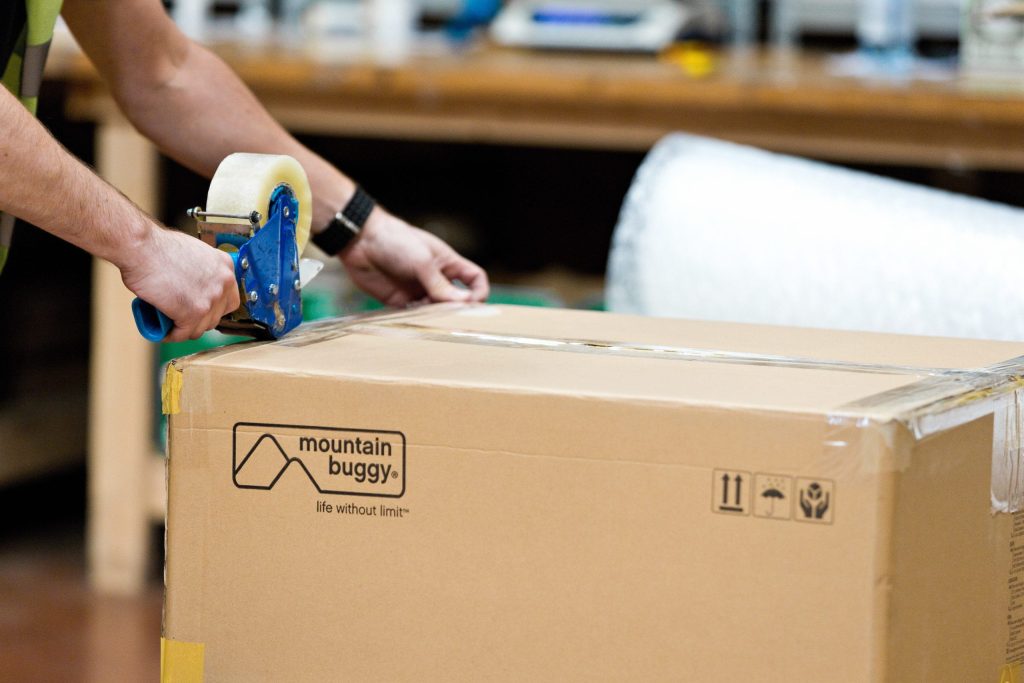
Look, we get it – growth is a good problem to have! Until fulfilment can’t keep up that is…
As e-commerce order volumes rise, the logistics stack that worked in the early days (a small storage unit, manual picking, ad-hoc shipping) starts to create costly friction: late dispatches, stock inaccuracies, higher returns, inconsistent packaging, and customer service pressure.
That’s why 3PL services (third-party logistics services) are essential for scaling ecommerce businesses. A great 3PL partner doesn’t just store and ship products – they build a fulfilment engine that helps you grow faster, with fewer operational risks and expert support.
If you’re evaluating partners now, explore Bray’s 3PL Services page and request a quote to compare options side-by-side.
3PL services are outsourced logistics services that typically include warehousing, inventory management, pick and pack fulfilment, shipping, and returns – delivered by a specialist provider on behalf of your business.
For e-commerce brands, the goal is simple: deliver orders faster and more accurately, while improving inventory control and freeing internal teams to focus on growth.
When you fulfil in-house, growth often forces expensive decisions: more space, more staff, more systems, more operational management — all leading to increased overheads, more to manage but less capacity to think critically and make strategic business decisions.
With 3PL services, scalability is built in. You can handle seasonal peaks, promo spikes, and step-changes in demand without constantly re-engineering your warehouse operation.
What this looks like in practice:
A 3PL’s scale can reduce your per-order cost by optimising labour allocation, packing workflows, carrier management, and space utilisation.
Just as importantly, 3PLs help you avoid hidden in-house costs that show up later: mispicks, delayed dispatches, stock discrepancies, and customer service time.
Simple cost checklist (what buyers often compare):
If cost clarity is a priority, review Bray’s approach to pricing and then request a quote so you can model your “all-in cost per order” properly.

Right now there is no getting away from it – we live in the age of ‘instant’ and fast delivery is expected. Accurate delivery is non-negotiable.
As you grow, fulfilment errors compound quickly: wrong item shipped, missing items, poor packaging, delays during peaks.
Outsourced 3PL services improve reliability by using proven picking methods, quality checks, and dispatch workflows designed for volume.
Results you should expect from a mature and experienced 3PL:
Inventory accuracy is a growth lever. It’s out with the spreadsheet that needs consistent manual intervention and management, in with the warehouse management system.
Poor stock control leads to lost sales (stockouts), wasted cash (overstock), and operational chaos (count discrepancies and manual fixes).
Modern 3PL services rely on inventory systems and structured processes that improve visibility across inbound receiving, putaway, live stock levels, pick/pack, and returns/restocks.
If inventory accuracy is a KPI for your ops team, explore Bray’s warehousing & storage capabilities as part of your 3PL evaluation.
Growing ecommerce businesses often organically expand into bundles, subscription boxes, seasonal kits, retail-ready packaging, and inserts and branded unboxing.
That’s where 3PL services paired with contract packing become powerful.
Instead of hiring packers and investing in equipment, you can outsource kitting and bundling, labelling, assembly, and gift wrap and presentation standards.
Bray offers contract packing as a defined service line – which is a strong differentiator for ecommerce brands that care about brand consistency.
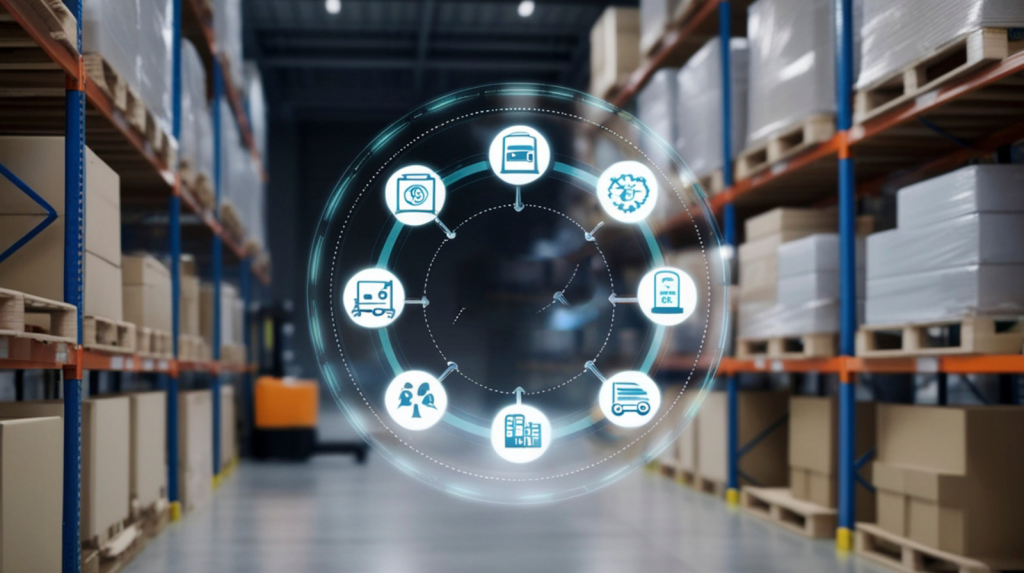
Returns naturally rise as brands scale – and poor returns handling damages customer trust.
A strong 3PL partner should support reverse logistics with defined grading rules, fast restocking, clear disposition options (resell/refurbish/recycle), and reporting on return reasons.
If returns are costing time and margin, review Bray’s Returns & Reverse Logistics service and ask for a process walkthrough.
This is the strategic reason 3PL services matter most.
When leadership teams are pulled into fulfilment issues, growth slows. The right 3PL partner becomes an extension of your operations – with workflows, reporting, and account support that reduces operational noise.
What “good” looks like at scale:
Want a procurement-style evaluation? Use an RFP approach so providers answer consistently. Or, enquire about a quote that’s bespoke to your unique business needs.
What does a 3PL do for an ecommerce business?
A 3PL manages outsourced logistics such as warehousing, inventory management, picking and packing, shipping, and often returns handling. For ecommerce brands, a 3PL helps scale fulfilment operations while improving delivery reliability and freeing internal teams to focus on growth.
What are the main 3PL services?
The main 3PL services typically include receiving inventory, warehousing/storage, inventory control, pick and pack order fulfilment, shipping coordination, and returns processing. Some providers also offer value-added services like kitting, contract packing, and labelling.
What questions should I ask a 3PL provider before choosing one? Ask about SLAs, cut-off times, error rates, inventory accuracy, integrations, returns workflows, pricing structure (including hidden fees), onboarding timeline, and proof of experience with similar brands/SKUs.
When should a growing business switch 3PL providers?
Common reasons include frequent fulfilment errors, slow order processing, lack of inventory visibility, poor communication, limited scalability during peak periods, and costs that no longer make sense.
What’s the difference between 3PL and 4PL?
A 3PL typically executes logistics operations (storage, fulfilment, shipping). A 4PL usually oversees and coordinates multiple logistics partners more holistically.



We integrate with a number of different systems.
Get in touch to find out how we can help.