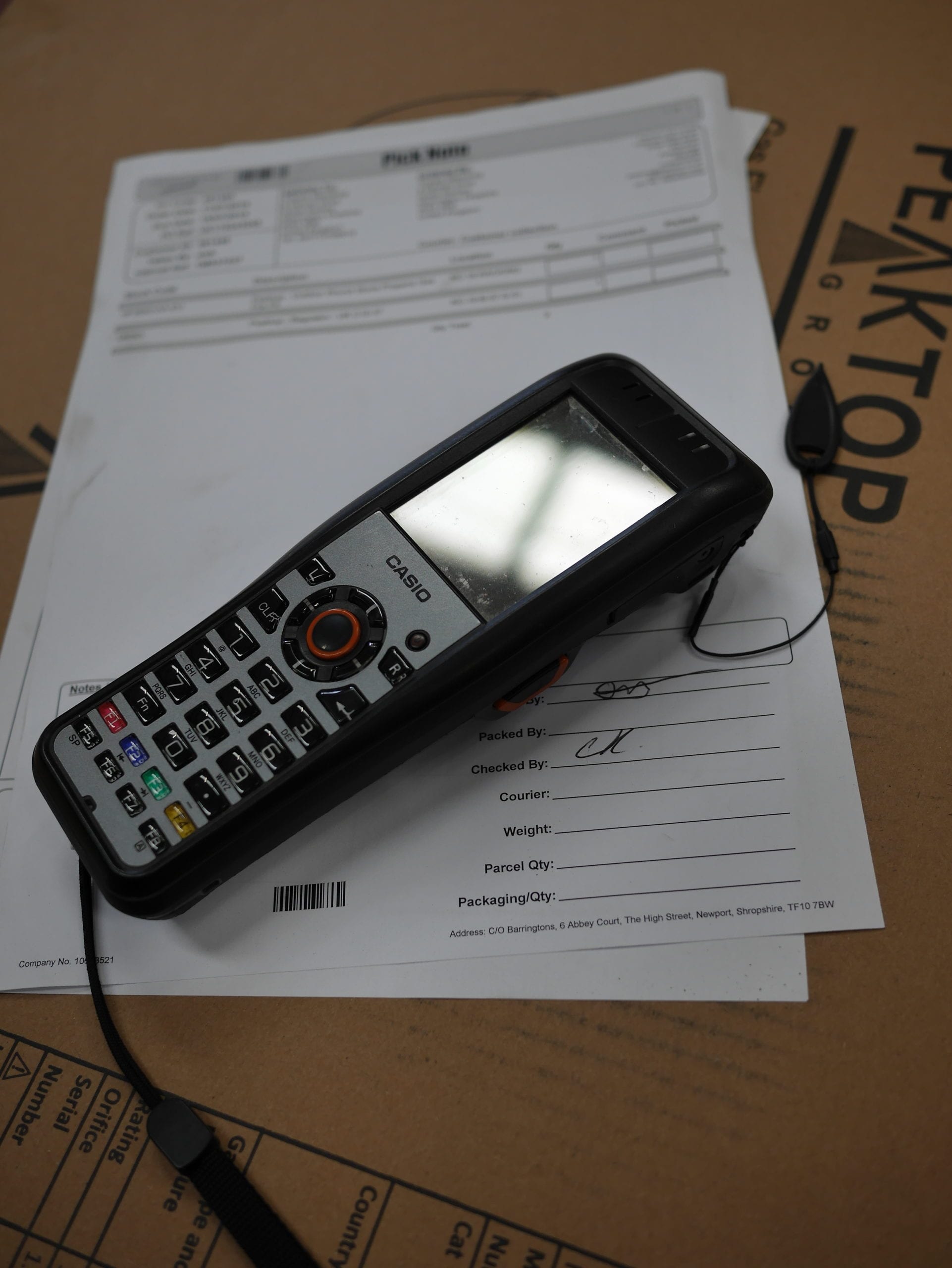
5 Top Tips for Modern Warehouse Tech Efficiency
5 Top Tips for Modern Warehouse Tech Efficiency is the latest article on the warehousing industry news from leading 3PL [...]


When ecommerce businesses search for 3PL costs, they’re rarely just looking for a number.
They’re usually trying to answer much bigger questions:
That’s because 3PL pricing is often presented in fragments – a pick fee here, a storage rate there – without transparently explaining how those costs are calculated, what drives them, and where surprises might typically appear.
This guide breaks down the true costs of 3PL services, explains how pricing is structured in practice, and highlights what to look out for when comparing providers – so you can make a confident, informed decision.
Before comparing quotes, review Bray’s Guide to Pricing to understand how costs are structured and what’s included.
3PL costs are the fees charged by a third-party logistics provider, like Bray Solutions, to store, manage, fulfil, ship, and process returns for your products.
Rather than a single fee, 3PL pricing is typically made up of multiple cost components, each linked to a specific operational activity such as warehousing and storage, repacking, picking and packing, fulfilment and shipping.
Understanding those components – and what causes them to increase – is the difference between choosing a cost-effective partner and inheriting long-term operational problems.
Most ecommerce 3PL costs fall into the following categories:
We’ll break each one down in detail – including where businesses are most often caught out.
Onboarding is the foundation of every fulfilment operation – and yet it’s often misunderstood or rarely explained properly.
Rushed or poorly defined onboarding almost always leads to:
Red flag: Providers who say onboarding is “instant” or “not needed”
Reality: Proper setup reduces ongoing fulfilment costs and errors – you should always ask for the onboarding process upfront to review comprehensively.
Inbound receiving is the process of booking in stock when it arrives at a warehouse.
Common misunderstanding:
“Receiving is just unloading a delivery.”
In reality, receiving is (and should be treated as) a quality control process, poor inbound prep is one of the biggest drivers of unexpected 3PL charges.
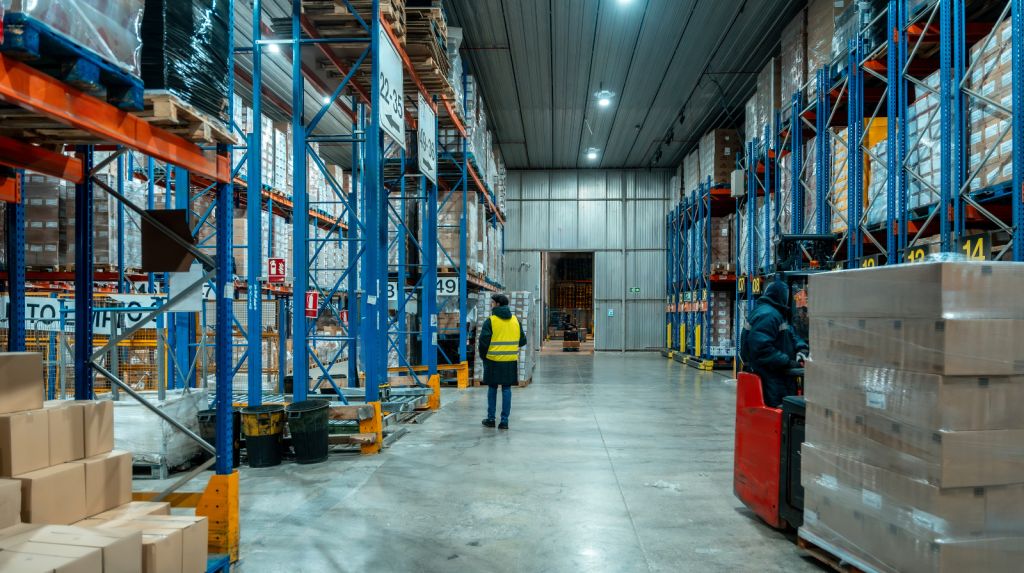
Storage is often quoted as a simple monthly rate – but how it’s calculated matters.
Stock that doesn’t move:
A good 3PL will help you understand which stock is driving storage costs – not just invoice you for space. In turn, this might help you to devise marketing and sales strategies to shift this stock and drive revenue.
Pick and pack is often the headline figure buyers fixate on, but it’s only meaningful in context.
What pick and pack fees usually include
Lower pick fees often mean:
Key insight:
A slightly higher pick cost with better accuracy often reduces total fulfilment cost.
Packaging is where logistics meets brand experience, and unfortunately, it’s also where corners are often cut.
Red flag: Providers who treat packaging as “out of scope”
Reality: Poor packaging damages brand perception and increases returns – not to mention an uptick in customer service complaints and even negative social mentions.

Shipping is one of the most visible costs – but perhaps surprisingly – also one of the most misunderstood.
While carriers set base rates, a good 3PL partner reduces shipping cost through:
We get it and so do you – returns are unavoidable in ecommerce – but unmanaged returns are expensive.
Key insight:
Fast, structured returns processing improves cashflow by making stock sellable sooner.
Our General Manager, Dale Sharpe often shares insights around returns and reverse logistics on his LinkedIN .
CTA Button: Connect with Dale [https://www.linkedin.com/in/dale-sharpe-5aaa0858/]
These costs are rarely line-itemed – but they matter, and should always form part of a discussion when exploring new 3PL options and partners.
Red flag: Providers who can’t clearly explain how performance is tracked – they should be able to tell you which Warehouse Management System they are using and what access or visibility this gives you.
Reality: If it isn’t measured, it can’t be accurately managed or improved.
These are the charges that most often cause frustration later:
Transparent providers explain these upfront. Opaque providers explain them after the invoice.
When reviewing quotes, don’t just compare totals.
Instead, ask:
The goal is predictability, not just a low starting cost.
Bray Solutions’ pricing philosophy is built around clarity and control.
Rather than hiding complexity, we :
This approach helps ecommerce businesses:
Next step: Download Bray’s Guide to Pricing to see how costs are structured and what’s included in a transparent 3PL model.
The true cost of a 3PL includes:
The right 3PL partner doesn’t just reduce costs – they reduce friction and risk.
If you’re at the point of comparing providers, clarity matters more than ever.
If you want transparent pricing, structured processes, and a fulfilment partner built for ecommerce growth, review Bray’s pricing guide and get a bespoke quote from our team.
How much do 3PL services cost?
3PL services are typically priced based on activity rather than a single flat fee. Costs usually include onboarding, inbound receiving, storage, pick and pack fulfilment, shipping, and returns processing. The total cost depends on order volume, SKU complexity, storage requirements, and service levels rather than just price per order.
What is the average cost of a 3PL per order?
The cost per order varies depending on how many items are picked, how they are packed, and how complex the fulfilment process is. Orders with multiple SKUs, branded packaging, or special handling typically cost more than single-item orders. This is why comparing “price per pick” alone can be misleading.
Why do 3PL prices vary so much between providers?
3PL pricing varies because providers operate very different processes. Lower prices often reflect fewer accuracy checks, limited returns handling, or minimal reporting. Higher prices usually include better inventory control, quality assurance, and clearer service definitions, which can reduce costly errors over time.
Are there hidden costs with 3PL services?
Hidden costs usually come from unclear service definitions rather than deliberate overcharging. Common examples include receiving discrepancies, relabelling, returns inspection, special projects, and minimum monthly fees. Transparent 3PL providers explain these scenarios upfront so businesses can budget accurately.
Is a cheaper 3PL always more cost-effective?
No. A cheaper 3PL often results in higher indirect costs through picking errors, customer complaints, slow returns, and inventory inaccuracies. In many cases, a slightly higher fulfilment cost leads to better accuracy, faster turnaround times, and lower total operational cost.
What costs should I ask a 3PL about before signing a contract?
Before signing, you should ask about receiving fees, storage calculations, pick and pack pricing, packaging costs, returns processing, minimum charges, and how exceptions are handled. Understanding these details upfront prevents unexpected charges later.
Do 3PL costs include shipping?
Shipping costs are usually charged separately from fulfilment fees because they depend on parcel size, weight, destination, and service level. However, a good 3PL helps control shipping costs through accurate packing, correct labelling, and efficient carrier handoff.
How are 3PL storage costs calculated?
Storage costs are typically based on pallet space, bin locations, or cubic volume. The amount of space your stock occupies and how quickly it turns over are the main factors that influence storage pricing. Slow-moving stock generally costs more over time.
Do 3PLs charge for returns?
Yes, most 3PLs charge for returns processing because it involves labour to receive, inspect, grade, and restock items. The cost depends on how detailed the inspection is and how quickly returned stock is made available for resale.
When does it make financial sense to move to a 3PL?
It usually makes financial sense to move to a 3PL when fulfilment errors increase, internal teams spend excessive time on logistics, storage space becomes constrained, or returns processing slows growth. At this point, the operational savings often outweigh the fulfilment fees.






We integrate with a number of different systems.
Get in touch to find out how we can help.